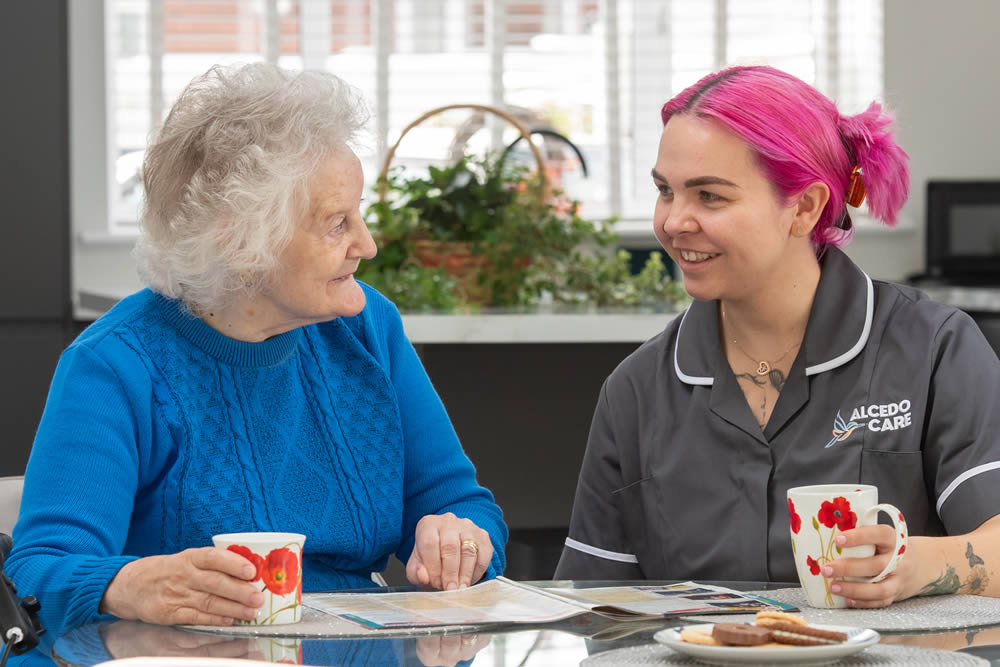
Palliative and end-of-life care are both care services for people with terminal illnesses such as cancer, advanced-stage of dementia including Alzheimer’s, motor neuron diseases (MND), etc.
Receiving palliative care does not necessarily mean that you will die soon. Some people can live for years since diagnosis and in some cases stop receiving care as being successfully cured of their illness (for example after chemotherapy treatment).
The main difference between palliative and end-of-life care is that you can receive palliative care no matter in what stage of your diagnosis you are being that years, months or weeks ahead of end-of-life care, whereas end-of-life care is usually provided in your final months, weeks or days. Palliative care recognises, treats and responds to illness symptoms and it is prompt with the care provided. That might include treating pain, people who have tiredness or shortness of breath. End-of-life care on the other side provides comfortable and dignified physical and emotional support as you or your loved ones reach the end of life.
No one expects to hear that they don’t have much time left, it is a scary and overwhelming experience followed by different stages of denial, anger, depression and realisation. However, it’s important that we treat death as we do life, and that it’s thought about and planned. That is often referred to as Advanced Care Planning or palliative care pathway.
Advanced Care Planning gives you or your loved one the control and autonomy to have a voice and make your own choices in the time you still have. You or your loved ones should be able to choose whether you receive palliative care or end-of-life care at home, in a hospice, in a hospital or in a care home. It’s also important for the family as it gives them answers to some of the decisions that will need to be made further down the line. Moreover, having a plan ahead allows us to work together to ensure the outcome is as enriching and peaceful as possible for you and your family.
Even though it is sad to know you or your loved ones reach the end of your life journey, you should live it to the fullest and spend it with the ones you care about the most. On that note, our team of carers will help and support you along the way, ensuring that you:
- Receive the best quality of care to have a peaceful end-of-life journey.
- Continue to live in the comfort of your own home and be in familiar surroundings.
- Remain independent and live with dignity.
- Your choices and wishes are granted.
- Closer to family and friends, and not feeling isolated from them.
- Stress and anxiety free of moving away from your home, family and friends.
Alcedo Care understands this and offers comprehensive end-of-life care services, often referred to as palliative care, to those who have advanced, terminal and progressive conditions. Our palliative care service can be put in place quickly and is always tailored to each customer’s needs, considering their symptoms, psychological well-being, social requirements or spiritual needs.
It is overwhelming to process the information and especially to then have to seek compassionate, trustworthy and efficient palliative or end-of-life care to help make your or your loved one’s final months, weeks and days as comfortable and dignified as possible. That is why it is imperative for us to provide you with the best care possible and give you a better quality of life, taking out the stress and anxiety from you and your family.
Our palliative and end-of-life care plans include everything from simply helping you prepare a breakfast through personal hygiene to complex care. These are some of the activities we can support you or your loved ones with but not limited to:
- Personal care such as assistance with toileting, bathing and getting dressed.
- Continence care – that might mean managing a stoma or catheter.
- Administering medication or promoting to take of medicines.
- Supporting with pain management
- Help with getting in and out of bed or moving around the home – this might include hosted transfers.
- Complex care – including enteral feeding and airway management (tracheostomy and ventilation management)
- Assistance with housekeeping such as vacuuming, changing beds or doing the laundry.
- Preparing meals, or even just making you a cup of tea, and washing up afterwards
- Running errands to collect prescriptions or do food shopping.
- Offering companionship and supporting your independence
- Respite care for the family or your carer/s
- 24h Live-in care if you or your loved one require around-the-clock care
- Overnight care – assist you or your loved one during the night, helping you go in and out of bed, moving you around to avoid pressure sores, limit falls, administer medications on time, etc.